
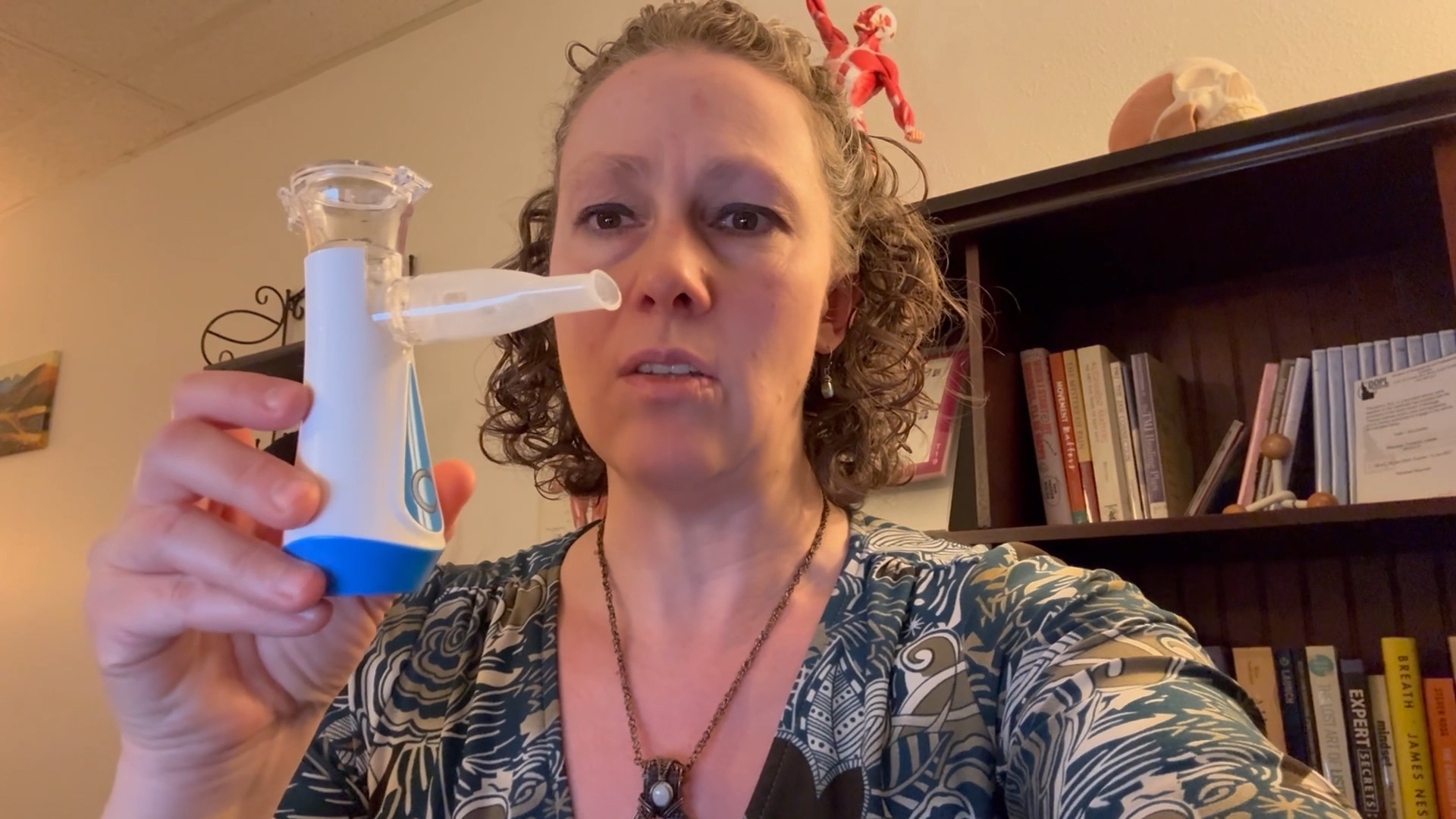
AERD Asthma Attack: Managing Symptoms
Emily Boudwin discusses her experience with aspirin exacerbated respiratory disease (AERD) during an asthma attack. Emily’s story sheds light on managing AERD symptoms and offers insights for others facing similar challenges.
Managing Symptoms with Niacin and B Vitamins
Niacinamide is causing flushing days after taking it. Tuesday afternoon, almost 24 hours after taking the 500 mg Niacinamide, I had a moderate AERD attack (Aspirin Exacerbated Respiratory Disease). Bad asthma, chest congestion, tiredness. Later a sneezing attack, which happens when my sinuses start swelling up from my AERD flaring.
With my severe respiratory disease I create too many inflammatory agents, specifically leukotrienes and PGD2. I don’t have enough PGE2 to stop the inflammation spike. Which can lead to anaphylactic shock when my respiratory disease is triggered. I have only experienced one time of full anaphylactic shock, from Motrin, in 2019. Otherwise it mostly causes inflammation across my entire respiratory tract. Any where from mild to moderate to severe and life threatening.
I tried something different this time to resolve the inflammation across my entire respiratory tract. Since it was the niacinamide that triggered this attack. Niacin causes PGD2 inflammatory agent to be spiked with release. Then the PGD2 levels drop down further than where they were previously. Niacin also counter balances over methylation from methylated B12 and B9. So I was looking for the opposite effect. To decrease the niacin that was triggering my AERD. I took a combo methylated b12 and b9. It worked!
I do have prednisone available to stop an AERD attack. I did not need to take it Tuesday. Yea!
Wednesday morning I needed to take more methylated B12/B9 combo supplement. Which helped ease some lingering asthma. I figured out that it was a combination of eating avocado and adding in the niacinamide. The avocado is known to cause AERD flares.